
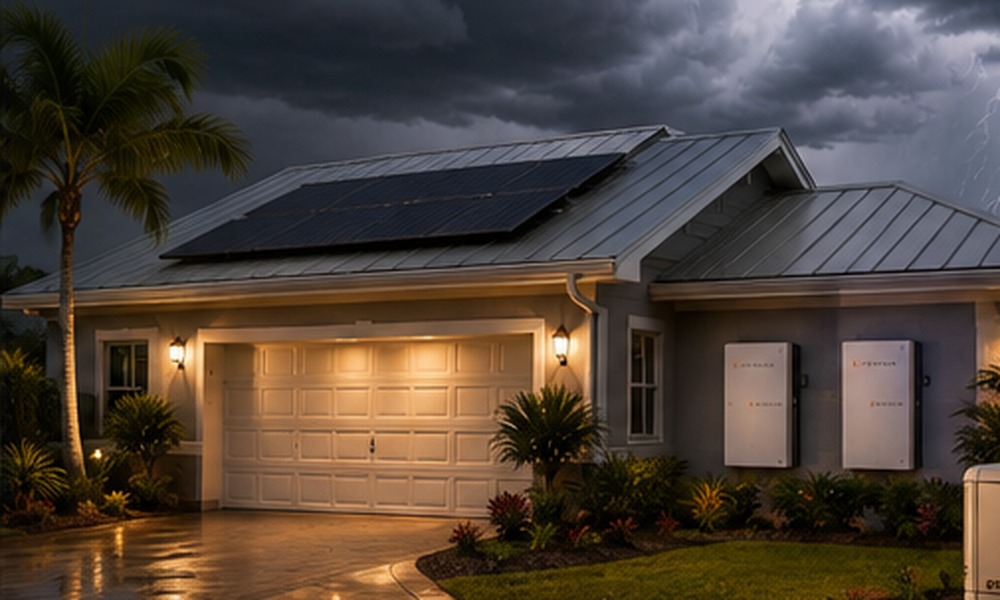
Florida storms are unpredictable, but your home does not have to be unprepared and have home upgrades. High winds, heavy rain, lightning and utility outages can expose weak points in the roof, electrical system and backup-power plan when you need those systems most.
That is why storm preparation is more effective when homeowners look at the entire property instead of buying one emergency product and hoping it solves everything.
Castaways Energy & Roofing provides a coordinated approach through Florida home energy and efficiency upgrades, including solar, battery storage, standby generators, roofing, gutters and electrical-panel solutions for homeowners throughout Central Florida.
1. Start With the Roof Over Your Head
Your roof is one of the home’s primary defenses against Florida weather. Small problems that seem manageable on a sunny day can become much more serious when wind-driven rain arrives.
Before storm conditions are in the forecast, look from the ground for visible problems such as missing shingles, loose materials, damaged flashing or sagging gutters. Inside the home, check ceilings and accessible attic spaces for water stains, damp insulation or other signs that moisture has already found a path inside.
Castaways offers Central Florida roofing services that include inspections, repairs, roof replacement, storm and hurricane damage repair, leak detection and solar-ready roofing.
If you are planning solar and the roof is nearing replacement, addressing both projects together can create a cleaner long-term strategy than installing panels only to remove them again for roofing work later.
2. Keep Rainwater Moving With Gutters and Guards
During a Florida downpour, water needs a clear path away from the roof and foundation.
Gutters filled with leaves and debris can overflow exactly when rainfall is heaviest. Loose or damaged gutter sections may also direct water toward siding, entrances, landscaping or the foundation instead of away from the property.
Before storm season intensifies, clean the gutter system, confirm downspouts are clear and check visible connections from the ground.
Castaways provides gutter and gutter-guard solutions for homeowners who want better debris management and drainage as part of a broader home-protection plan.
3. Build a Backup-Power Strategy
A prolonged outage changes how a household functions. Refrigeration, communications, medical equipment, lighting, security systems and cooling can all be affected.
There are two major residential backup approaches homeowners commonly consider: battery storage and standby generation.
Battery storage can work with solar to store energy and provide selected backup power when utility service is unavailable. A standby generator uses a fuel source such as natural gas or propane and can automatically provide power when an outage is detected.
Neither option is automatically right for every household. The best approach depends on the home’s electrical loads, outage goals, budget, fuel availability and existing solar equipment.
Explore Castaways’ battery storage solutions and Generac standby generator options to compare the different approaches.
4. Make Sure Your Electrical Panel Is Ready for the Home You Are Building
Modern homes are becoming more electric. Solar, batteries, EV charging, larger HVAC loads and smart-home devices can all place new demands on an electrical system that may have been installed decades earlier.
A panel upgrade can improve capacity and create a stronger foundation for future electrification. Smart-panel technology can also provide more visibility into household energy use and, depending on the system, greater control over individual circuits.
Castaways’ main electrical panel upgrade services include modern panel and smart-panel options designed to support a more integrated home energy system.
5. Consider Solar + Battery as an Everyday Energy System
Storm resilience is important, but solar and storage should also make sense on ordinary days.
Solar allows the home to generate electricity from sunlight. Battery storage can keep some of that energy available for later use. Together, they can reduce dependence on the grid and create a more flexible home energy setup.
Castaways offers multiple storage technologies, including Enphase battery storage, FranklinWH and Tesla Powerwall.
The right system should be sized around your actual household priorities rather than simply selecting a battery brand first.
6. Have Existing Energy Equipment Checked Before Storm Season
If your home already has solar, battery equipment or other energy upgrades, make sure the system is behaving normally before the next storm.
Check monitoring apps, review any equipment alerts and look for noticeable changes in energy production. Do not climb onto the roof or open energized electrical equipment.
If something does not look right, Castaways provides solar service and maintenance support so problems can be addressed before severe weather adds another complication.
A Storm-Ready Home Works as a System
The biggest takeaway is that storm preparation is not a single product.
Your roof sheds water. Gutters move it away. The electrical panel distributes power. Solar generates energy. Batteries or generators provide another layer of resilience when the grid is unavailable.
When these parts are evaluated together, homeowners can make upgrades in the right order and avoid creating conflicts between projects.
Your Storm-Ready Florida Checklist
- Have the roof inspected if its condition is uncertain.
- Clean gutters and confirm downspouts drain properly.
- Review solar monitoring and address unexplained alerts.
- Decide which electrical loads are essential during an outage.
- Compare battery storage and standby-generator options.
- Evaluate whether the main electrical panel supports future upgrades.
- Keep emergency supplies and important documents accessible.
- Follow local hurricane and evacuation guidance.
Frequently Asked Questions
Is a battery or generator better for hurricane outages?
It depends on your priorities. Batteries integrate well with solar and operate without onsite fuel combustion, while standby generators can support substantial loads when properly sized and supplied with fuel. Some homeowners may also explore integrated approaches.
Should I replace my roof before installing solar?
If the roof is nearing replacement or has significant issues, coordinating roofing and solar can reduce the likelihood of needing to remove and reinstall panels soon after installation.
Can Castaways handle more than one home upgrade?
Yes. Castaways Energy’s home-upgrade offering includes solar, storage, generators, electrical panels, EV charging, roofing, gutters and related improvements.
When should I start storm preparation?
Before a storm is approaching. Planning early gives you more time to evaluate options, schedule inspections and complete projects without the pressure of an immediate weather threat.
Get Your Florida Home Ready Before the Forecast Turns Serious
Storm readiness is about protecting the systems your family depends on every day.
Start with the Castaways Florida Home Upgrades hub to explore your options, or request service if you already have a solar system that needs attention before the next storm.
How much will solar cost you?
Find out. It’s FREE!