
The worst time to begin planning for backup power is when a hurricane is already headed toward Florida. You need to be storm ready. By then, homeowners are buying emergency supplies, contractor schedules can tighten and everyone is trying to solve the same problems at once.
A stronger approach is to prepare the home during normal weather.
Castaways Energy & Roofing helps Central Florida homeowners evaluate the systems that matter most during severe weather through its Florida Home Upgrades program. That includes roofing, solar, battery storage, standby generators, gutters and electrical-panel improvements.
Step 1: Decide What Must Keep Running
Backup planning should begin with the household, not the equipment catalog.
Think about what you actually need if utility power is unavailable for several hours or longer. Your list may include:
- Refrigerators and freezers
- Medical or accessibility equipment
- Internet and phone charging
- Security systems
- Lighting
- Selected outlets
- Well or water equipment where applicable
- Fans or air-conditioning equipment
Once those priorities are clear, a professional can calculate the electrical requirements and help you compare backup options more intelligently.
Step 2: Compare Battery Storage and Standby Generation
Florida homeowners have more backup options than ever, and the right answer depends on how you want the home to function during an outage.
Battery Storage
A home battery can store energy and automatically provide backup to configured loads when the utility goes down. When paired with compatible solar equipment, solar may be able to recharge the battery during an extended outage.
Castaways offers home battery storage from leading manufacturers including Enphase, FranklinWH and Tesla.
Standby Generator
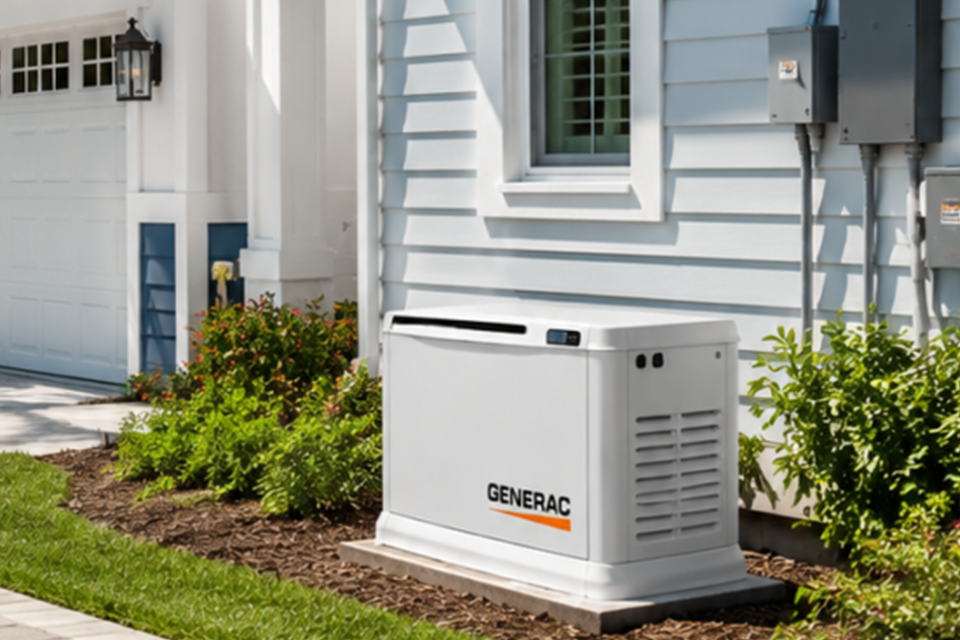
A permanently installed standby generator monitors utility power and can start automatically when an outage is detected. Depending on the system design, it may support selected circuits or broader household loads.
Castaways provides Generac generator installation in Central Florida and evaluates electrical service, major appliances, cooling equipment, fuel source and backup priorities before recommending a configuration.
Step 3: Inspect the Roof Before Wind and Rain Find the Weak Spot
A minor roof concern can become a major interior problem when severe rain and wind arrive.
Before hurricane season peaks, look for signs that deserve professional attention:
- Missing or damaged roofing materials
- Visible roof-edge or flashing concerns
- Ceiling stains
- Leaks during ordinary rain
- Damaged gutters
- An older roof with uncertain condition
Castaways’ Central Florida roofing services include inspections, repairs, replacements, storm-damage work and solar-ready roofing.
If you already have rooftop solar, tell the roofing team before any work begins so roofing and solar equipment can be coordinated appropriately.
Step 4: Make Sure Rainwater Has Somewhere to Go
Florida storms can produce intense rainfall in a short period. Gutters and downspouts should move that water away from roof edges and the home.
Clean out leaves and debris, check for loose sections and confirm downspouts are not blocked. If recurring debris is a problem, gutter guards may help reduce maintenance and support more consistent drainage.
Step 5: Evaluate the Main Electrical Panel
Backup power equipment cannot be planned in isolation from the home’s electrical system.
If the house has an older panel, limited capacity or multiple new electrical loads, a panel upgrade may be part of the larger project.
This becomes especially important when a homeowner is combining solar, batteries, EV charging, generators or other electrical upgrades.
Castaways provides main electrical panel upgrades and smart-panel options designed to support modern home-energy needs.
Step 6: Check the Solar System You Already Have
If you already own solar, confirm that monitoring is reporting normally before severe weather arrives.
Watch for:
- Unexpected drops in production
- Inverter or equipment alerts
- Communication errors
- Visible debris or damage observed safely from the ground
- Problems that began after previous storms or roofing work
Do not open electrical equipment or climb onto the roof yourself. Submit a Castaways service request if the system needs professional attention.
Step 7: Take Photos and Organize Important Information
A few minutes of documentation can be surprisingly useful.
Before major storms, take current photos of the home’s exterior, roof and visible energy equipment from safe locations. Keep model information, warranties, contractor contacts and insurance documents somewhere accessible.
Cloud-based copies can be useful if paper records become inaccessible after a storm.
Step 8: Build a Household Power-Conservation Plan
Backup energy is finite, whether it comes from stored electricity or a fuel supply.
Know which appliances should remain off during an extended outage. Make sure family members understand which circuits are backed up and avoid adding unnecessary loads simply because the lights are still on.
Conservation can dramatically improve how useful a backup system feels during a longer interruption.
Why Waiting Until the Storm Is Close Can Cost You Options
Home improvement projects require evaluation, design, equipment and scheduling. Waiting until severe weather is days away limits what can realistically be done.
Preparing earlier lets you compare solutions without panic, coordinate roofing and energy upgrades where appropriate and choose a backup system based on the home rather than whatever happens to be available at the last minute.
Frequently Asked Questions
Can a standby generator power central air conditioning?
Some properly sized generator configurations can support air-conditioning equipment, but the actual recommendation depends on starting loads, electrical service, generator size and other household demand.
Can solar panels keep my home powered during an outage?
Solar alone typically shuts down with the grid for safety. Backup-capable solar-plus-battery systems can be designed to support selected loads while isolated from the utility.
Can I have both a generator and a battery?
Some equipment configurations can integrate multiple backup technologies. The appropriate design depends on existing equipment and the household’s goals.
Does Castaways work on existing solar systems?
Castaways provides solar service and maintenance support. Submit a service request with information about your existing equipment and concern.
Storm Ready Starts Before Storm Week
There will always be things you cannot control about Florida weather. Your roof condition, backup-power strategy and home electrical plan do not have to be among them.
Explore Florida Home Upgrades from Castaways Energy & Roofing and start deciding which improvements will make the biggest difference for your home before the next outage puts the plan to the test.
How much will solar cost you?
Find out. It’s FREE!